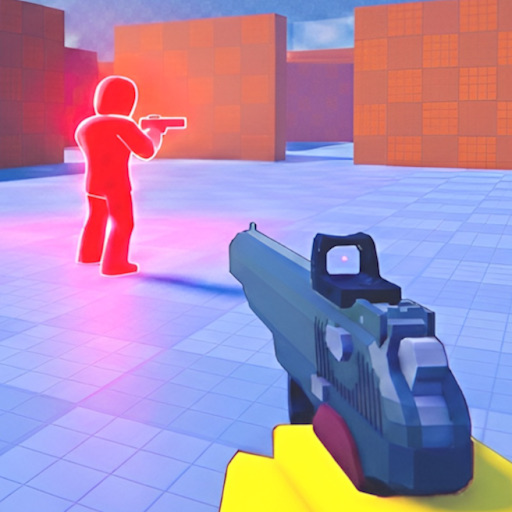
Understanding the arena layout means knowing where fights start, where rotations flow, and where to avoid standing still. The map is small but layered — players who treat it as a flat circle lose to those who play vertical sightlines and zone control.
Macro Zones
Most arenas divide mentally into: center floor (high traffic, maximum danger), elevated platforms (high ground advantage), perimeter corridors (rotation paths), and flank alleys (slide ambush zones). Center is fastest path but exposes you to multiple angles simultaneously — avoid crossing without slide or smoke of distraction from teammate chaos in FFA.
High Ground Advantage
Elevation lets you peek downward with less body exposed while forcing enemies to adjust aim upward. Hold elevated edges with M2 aim on PC or hold-to-aim on mobile. Drop down with slide only when you have a confirmed pick or need to escape ring pressure.
Detailed peek technique lives in cover and angles. Combine with win more matches strategy.
Sightline Corridors
Long corridors create pre-aim duels — crosshair at head height before stepping in. Whoever swings wide first usually dies. Slice the pie: clear angles incrementally instead of wide-swinging entire hallways.
Vertical Connections
Ramps, stairs, and drop ledges create audio tells. Jumping players are easy picks. Use slide on ramps for speed without full jump exposure. Sound cues alert enemies below — pre-aim before dropping.
Layout and Spawn Interaction
Spawns often sit near perimeter zones. After respawn, choose spawn routes that avoid running toward center noise. Layout knowledge tells you where eight players converge after first blood.